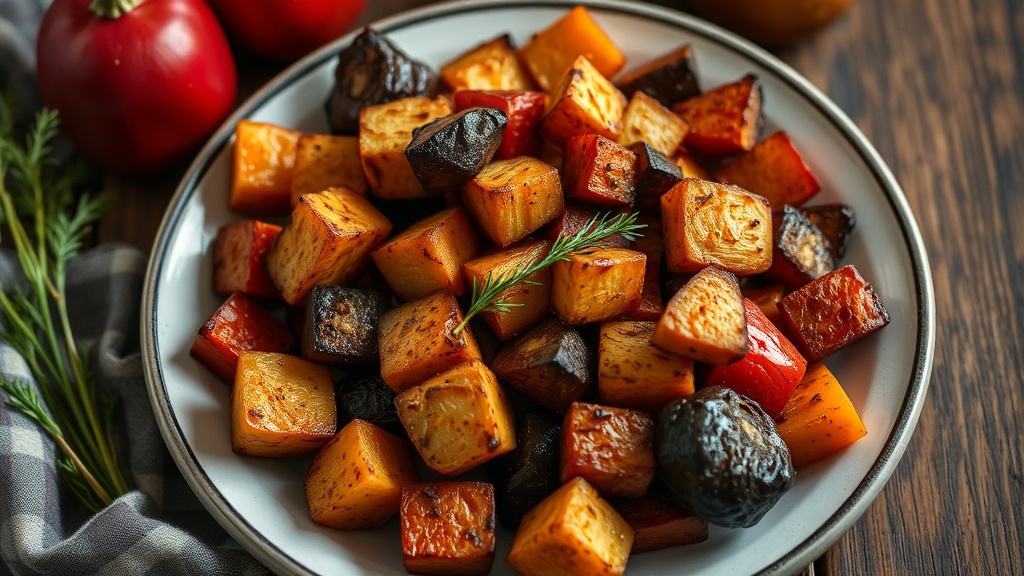
Savoring the Seasonal Shift with Roasted Root Vegetables

Imagine walking through a local farmer's market in late September, where the bright, crisp greens of summer have been replaced by the heavy, earthy weight of beets, parsnips, and carrots. This post explores how to transition your diet toward seasonal root vegetables to support your body's natural rhythms as temperatures drop. We'll look at the nutritional profiles of these tubers, the best ways to roast them to preserve nutrient density, and how to use seasonal eating to support your digestion and energy levels during the colder months.
As the days get shorter in Montreal, our bodies often crave something more substantial. It isn't just a whim; it's a biological nudge toward more complex carbohydrates and grounding foods. Root vegetables provide exactly that.
Why Should You Eat Root Vegetables in the Fall?
Root vegetables provide a concentrated source of complex carbohydrates, fiber, and minerals that help stabilize blood sugar and support long-term energy. When we switch from light, water-heavy summer salads to dense roots, we're giving our digestive systems more substantial fuel. These vegetables are packed with micronutrients that support immune function during seasonal transitions.
Consider the humble sweet potato. It's a powerhouse of beta-carotene, which the body converts into Vitamin A. This is particularly helpful for maintaining healthy skin and mucosal membranes (your first line of defense against seasonal bugs). Unlike the quick energy spikes from refined grains, the fiber in roots ensures a slow, steady release of energy. It's the difference between a jittery caffeine high and a calm, sustained afternoon of productivity.
The earthiness of these vegetables also offers a psychological benefit. There's a certain "grounding" quality to eating foods that grow deep in the soil. It's a way to stay connected to the seasonal cycles of the planet—even when we're stuck inside working at a desk.
If you find your energy flagging during these shifts, you might also want to look at your liquid intake. While warm roots are great, staying hydrated remains a foundation of wellness. I've written about understanding your body's true hydration needs when the weather cools down.
Which Root Vegetables Are Best for Roasting?
The best vegetables for roasting are those with a high starch content and a sturdy structure that won't turn to mush in the oven. While you can roast almost anything, certain varieties react beautifully to high heat, developing caramelized edges and a soft, creamy center.
Here is a breakdown of common root vegetables and how they behave in the oven:
| Vegetable | Texture After Roasting | Best Flavor Pairing |
|---|---|---|
| Beets | Tender and slightly chewy | Goat cheese, balsamic vinegar, or walnuts |
| Parsnips | Creamy and sweet | Thyme, rosemary, or a touch of maple syrup |
| Carrots | Soft and caramelized | Ginger, cumin, or orange zest |
| Sweet Potatoes | Velvety and rich | Cinnamon, nutmeg, or sea salt |
| Radishes | Crispy on the outside, soft inside | Butter, sea salt, or fresh parsley |
I personally love using parsnips when I want a savory-sweet vibe. They have a certain depth that standard carrots just can't reach. If you're looking for a more medicinal approach, many people find that eating deeply colored roots like purple beets provides higher levels of antioxidants. You can find more detailed nutritional data on the Wikipedia page for root vegetables if you want to get into the weeds with the science.
One thing to watch out for: don't overcook the radishes. They're much smaller and can burn quickly, leaving a bitter aftertaste. Treat them with a bit more finesse than a heavy beet.
How Do You Roast Vegetables to Maximize Nutrients?
To maximize nutrients, you should use moderate heat and healthy fats that aid in the absorption of fat-soluble vitamins like A, D, E, and K. Roasting at a lower temperature for a longer period can sometimes preserve more delicate micronutrients than high-heat searing.
Here is my preferred method for a standard sheet pan of roasted roots:
- Prep: Chop vegetables into uniform sizes. This ensures they all finish cooking at the same time (consistency is everything here).
- Coat: Toss the pieces in a high-quality oil. I prefer using extra virgin olive oil or avocado oil because of their high smoke points and healthy fat profiles.
- Season: Add your herbs and spices. Don't be afraid of salt, but use it to enhance, not mask.
- Roast: Spread them in a single layer. If you crowd the pan, they'll steam instead of roast, and you'll lose that crispy texture we're after.
- Finish: Add a splash of acid (like apple cider vinegar or lemon juice) right before serving to brighten the heavy, earthy flavors.
A common mistake is using too much oil. You don't need a puddle; you just need a thin, even coating. If the pan is too dry, the vegetables will look dull and won't develop that golden-brown crust. If you're feeling adventurous, try adding a handful of unpeeled garlic cloves to the pan. They become soft and sweet, almost like a paste, which is incredible when spread on a roasted sweet potato.
It's worth noting that the skins of many root vegetables—like carrots and parsnips—contain a significant portion of the fiber and certain nutrients. If you're buying organic, I highly recommend leaving the skins on. It adds texture and keeps the nutrient profile intact.
Sometimes, when I'm looking for a more complex ritual in my kitchen, I'll experiment with more than just vegetables. For instance, I've explored making lavender infused honey at home to drizzle over roasted root vegetables for a sweet, floral finish. It's a small touch, but it changes the whole experience.
The goal isn't just to eat; it's to nourish. When we eat with the seasons, we're participating in a much older, more natural way of living. It's a way to slow down and actually taste the change in the air.
Whether you're making a large batch for meal prep or a small side dish for a dinner party, these vegetables are reliable. They don't demand much from you, but they give back a lot in terms of flavor and satiety. There's no need for complicated recipes when the ingredients themselves are this capable. Just a bit of salt, a good fat, and a hot oven—that's really all you need to make something spectacular.
The next time you see those beautiful, dirt-dusted carrots at the market, don't pass them by. Pick them up. They're a small, delicious reminder that the seasons are shifting, and that's exactly how it should be.