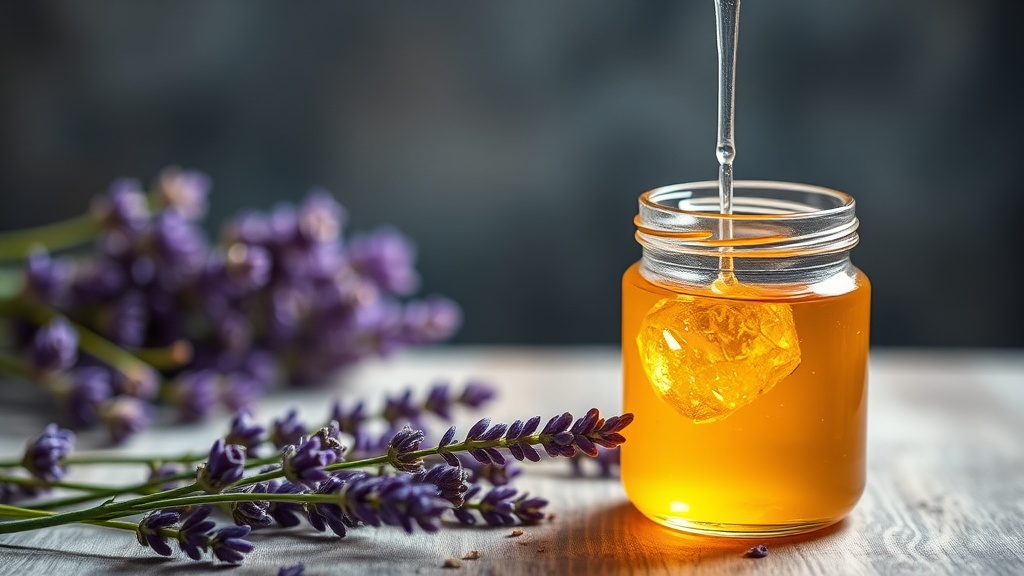
Making Your Own Lavender Infused Honey at Home

Have you ever wondered how to capture the calming essence of summer in a single jar? This guide explains exactly how to make lavender infused honey at home using the cold infusion method. You'll learn which types of lavender work best, the specific equipment you need, and how to store your finished product safely to ensure it stays fresh and delicious.
Making your own infusions is one of the most rewarding skills in a natural kitchen. It turns a simple pantry staple into something truly special. Lavender honey isn't just for tea; it's a versatile addition to yogurt, a glaze for roasted carrots, or even a way to sweeten a cocktail. It's a small way to bring a sense of calm into your daily routine.
What Kind of Lavender Should I Use?
You should use culinary-grade dried lavender to ensure the flavor is pleasant and safe for consumption. Most grocery stores sell decorative lavender meant for sachets or potpourri, but you want the stuff specifically labeled for eating. This is a big distinction—decorative flowers are often treated with pesticides or synthetic fragrances that you definitely don't want in your food.
I personally love using Lavandula angustifolia, often called English Lavender. It has a much softer, sweeter profile than French or Spanish varieties. If the scent feels too "soapy" or medicinal, it's probably not the right variety for a sweetener. Always check the label for "culinary grade" or "food grade" before you buy.
If you're interested in other botanical infusions, you might enjoy reading about brewing your own calendula infused herbal oils. While the process is different, the principle of selecting high-quality, edible botanicals remains the same.
Here is a quick comparison of common lavender types:
| Lavender Type | Flavor Profile | Best Use Case |
|---|---|---|
| English Lavender | Sweet, floral, mild | Honey infusions, baking, tea |
| French Lavender | Stronger, more camphor-like | Aromatherapy, decor |
| Spanish Lavender | Highly pungent, medicinal | Scented sachets |
How Do I Make Lavender Infused Honey?
The most reliable way to make lavender honey is the cold infusion method, which involves letting dried lavender sit in raw honey for several weeks. This preserves the delicate enzymes in the honey and the subtle notes of the flower without using high heat that can scorch the flavor.
Equipment & Ingredients Needed:
- 1 cup of high-quality raw honey (I use Nature Nate's Organic Raw Honey)
- 2 tablespoons of dried culinary lavender
- A clean, dry glass jar with a tight-sealing lid
- A fine-mesh strainer or cheesecloth
- A small airtight storage jar
The Step-by-Step Process:
- Sterilize your jar: Make sure your glass jar is bone-dry. Even a tiny drop of water can cause honey to ferment, which we want to avoid.
- Combine: Place your dried lavender at the bottom of the jar. Pour the honey over the lavender. It's a good idea to stir it with a wooden spoon to ensure all the flowers are submerged.
- The Waiting Period: Seal the jar and place it in a cool, dark pantry. Let it sit for at least 3 to 4 weeks. Shake the jar gently every few days to help the infusion process.
- Strain the mixture: Once the honey has taken on a light floral scent and a subtle tint, it's time to strain. Use a fine-mesh strainer or a piece of cheesecloth to separate the honey from the lavender buds.
- Final Storage: Pour the infused honey into your final storage jar. Keep it in a cool, dry place.
A quick tip: don't be afraid to experiment with the ratio. If you want a more intense flavor, you can increase the amount of lavender, but don't go overboard or it can become unpleasantly bitter.
How Long Does Lavender Infused Honey Last?
Lavender infused honey will typically last for one to two years if stored in a cool, dark place. Because honey is a natural preservative, it is incredibly stable, provided you keep moisture out of the jar. If you notice any crystallization, don't panic—it's a natural part of the honey's life cycle.
If your honey starts to crystallize (it becomes cloudy and grainy), you can gently warm the jar in a bowl of warm water. Just don't use a microwave! Microwaving can destroy the beneficial properties of the honey and might even ruin the delicate lavender aroma. A slow, gentle heat is much better for maintaining the texture.
It's worth noting that raw honey is a living food. If you see any signs of mold or an unusual fermented smell, discard it immediately. This usually only happens if water or moisture accidentally got into the jar during the infusion process.
For more information on the chemical properties and safety of honey, you can visit the CDC.
If you've ever worked with herbs in your kitchen, you know that the quality of your starting material dictates the quality of your result. Using high-quality, organic ingredients makes a massive difference in the final taste. If you're using a cheaper, highly processed honey, you might find the lavender flavor gets lost entirely.
One thing to watch out for is the color. The honey might turn a slightly darker, amber hue after a few weeks. This is normal. It's just the botanicals interacting with the sugars. Don't mistake a change in color for a change in quality.
If you find yourself with leftover lavender from your project, don't throw it away! You can use it in a DIY scrub or even add it to a bath soak. It's all about using what you have to create something beautiful.
One small detail: if you're using this honey for a gift, a small handwritten label adds a lovely touch. People love receiving something handmade and thoughtful. Just make sure to include the date you made it, so they know how fresh it is.
Sometimes, people ask if they can use heat to speed up the process. While you *can* heat honey and lavender together in a double boiler, I don't recommend it. Heat can change the flavor profile of the honey, making it taste more like "cooked" sugar rather than the complex, floral nectar it started as. Patience is your best friend here.
The texture of the honey might change slightly as it sits. If you find the lavender bits are making the honey too "chunky" for your liking, you can use a very fine cloth to ensure every single speck is removed during the straining phase. A smooth, clear honey is much more elegant for drizzling.
If you ever find yourself craving something more savory, remember that this honey works beautifully with goat cheese. The saltiness of the cheese against the floral sweetness of the honey is a perfect pairing. It's a simple way to make a snack feel like a gourmet experience.
Steps
- 1
Select high-quality dried culinary lavender
- 2
Gently warm the honey in a double boiler
- 3
Steep the lavender in the warm honey for several hours
- 4
Strain the mixture through a fine mesh sieve
- 5
Store in a cool, dark glass jar