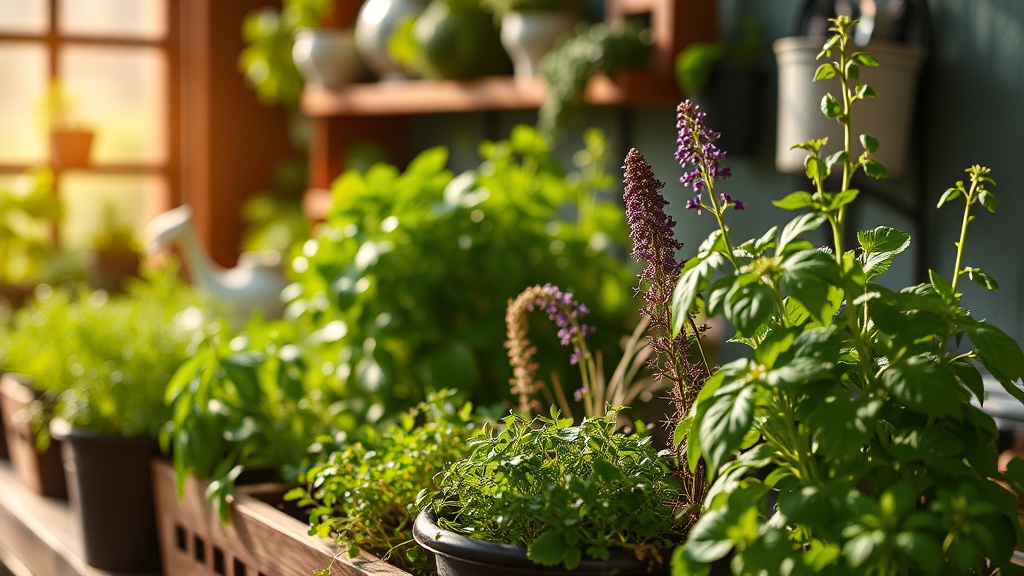
Why Your Kitchen Herb Garden Is More Than Just a Culinary Tool

Many people think of fresh herbs solely as a way to add flavor to a meal, but treating them as mere garnishes ignores their profound impact on your physiological rhythm. We often assume that "wellness" happens in a bottle of expensive supplements or a specialized health food store. In reality, the most potent botanical support often sits right on your windowsill. Using fresh herbs isn't just about taste; it's about integrating live, plant-based compounds into your daily routine to support digestion, calm the nervous system, and steady your energy levels.
The misconception that herbal support requires complex preparations or expensive extracts is widespread. While many high-end products exist, the simplest way to connect with botanical nutrition is through the immediate, raw use of fresh greenery. Whether it's a sprig of mint to settle a heavy stomach or a bit of rosemary to clear mental fog, these plants offer a direct line to your body's natural processes.
Can Fresh Herbs Improve Digestion?
The relationship between what we eat and how we process it is deeply rooted in the plants we include in our meals. Many herbs contain specific volatile oils that assist the body in breaking down nutrients. For instance, peppermint (Mentha piperita) is widely recognized for its ability to relax the muscles of the digestive tract. When you use fresh mint, you aren't just adding a cool scent; you're introducing compounds that can help reduce bloating and discomfort after a heavy meal.
Consider the role of basil in your daily diet. Beyond its use in pesto, basil acts as an adaptogenic-like herb that can help the body manage the physical effects of stress. When your digestion is sluggish, your entire system feels the weight. Adding fresh basil to your midday meal can provide a subtle lift to your metabolic pace. This isn't magic; it's the natural interaction between plant chemistry and human biology. You can read more about the chemical properties of common culinary herbs at the National Center for Biotechnology Information (NCBI) to see how these compounds function at a cellular level.
Does Using Fresh Herbs Help with Mental Clarity?
We often look toward caffeine when we feel a mid-afternoon slump, but the botanical world offers more stable alternatives. Rosemary, often called the herb of remembrance, has been studied for its potential to influence cognitive function and alertness. The scent alone—the aroma of the crushed leaves—can act as a sensory trigger to sharpen focus. Instead of reaching for a second cup of coffee, a quick infusion or even just smelling fresh rosemary can reset your attention span.
The distinction between a temporary stimulant and a plant-based support system is significant. Caffeine often leads to a subsequent crash, whereas the gentle stimulation provided by certain herbs is much more harmonious with your body's natural cycles. This is part of a broader approach to how we manage our energy throughout the day. To understand the broader implications of plant-based compounds on human health, the ScienceDirect database offers extensive research on botanical interactions.
A Quick Reference for Daily Botanical Use
To make this practical, I've compiled a small guide on which herbs to reach for based on how you feel. This isn't a prescription, but a way to think about your kitchen as a toolkit for wellness.
| The Feeling | The Botanical Suggests | How to Use It |
|---|---|---|
| Bloated or Heavy | Peppermint or Fennel | Fresh leaves in warm water |
| Mental Fog | Rosemary or Sage | Aromatherapy or in a light tea |
| Low Energy | Lemon Balm or Basil | Freshly chopped in a salad |
| Restless Evening | Chamomile (Dried/Fresh) | A warm infusion before bed |
Using these plants requires a shift in how you view your pantry. It’s about moving away from the idea of "seasoning" and moving toward the idea of "functional addition." When you add parsley to a dish, you aren't just adding a green color; you're adding a source of chlorophyll and vitamin K. This mindset helps bridge the gap between cooking and actual wellness support.
How Do I Incorporate More Botanicals Into My Routine?
You don't need to become an herbalist overnight to see the benefits. The most effective way to start is by replacing one habit with a botanical alternative. If you usually reach for a sugary snack when you're stressed, try a cup of tea infused with fresh lemon balm or even just the scent of fresh herbs. This creates a sensory break that can interrupt the stress cycle.
Another way is through your cooking. Instead of using dried, stale spices, prioritize buying or growing fresh herbs. The volatile oils in fresh herbs are much more active and available. When you chop fresh cilantro or parsley, you're releasing those compounds into the air and into your food, making them much more effective for your body to process. This is a small, manageable step that yields high rewards for your daily rhythm.
The goal is to make these plants a part of your identity as a person who cares about their internal environment. It isn't about being perfect or following a strict regimen; it's about being aware of the tools you have available in your own kitchen. By treating your herb garden or your fresh herb drawer as a source of support, you're taking a proactive step in managing your well-being through the natural world.