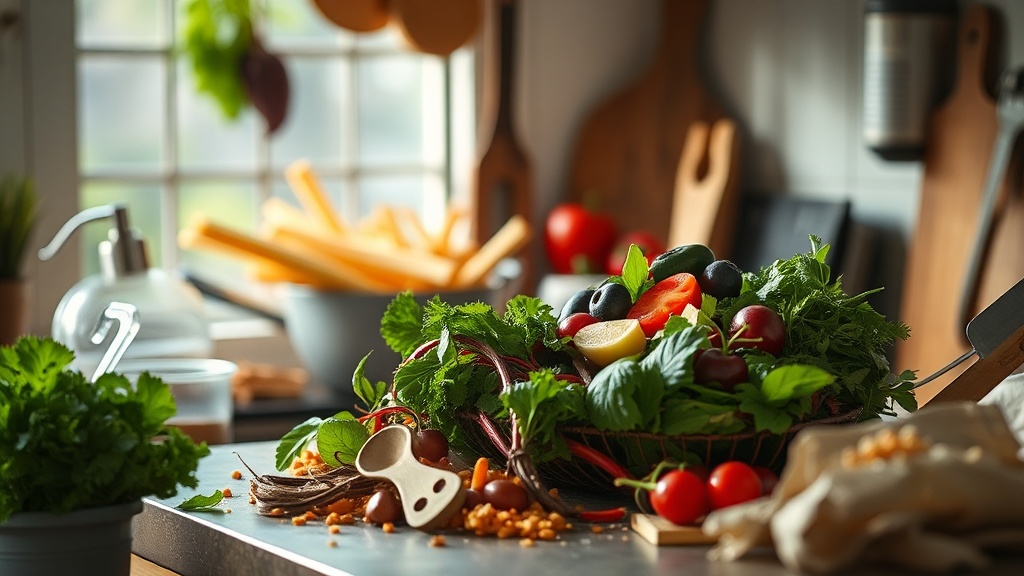
Which Kitchen Scraps Deserve a Second Life in Your Wellness Routine?

What This Covers (and Why Your Compost Bin Can Wait)
You are about to discover how herb stems, citrus peels, and vegetable trimmings — the parts most people toss without thinking — can become powerful additions to your daily wellness practice. We are not talking about extreme frugality or complicated preservation projects. These are practical, approachable ways to extract more value from ingredients you already buy. The best part? Most of these methods take less time than scrolling through your phone while waiting for water to boil. You will learn which scraps to save, how to store them properly, and specific techniques for turning them into teas, infused oils, and skin-soothing preparations that actually work.
Why Do Herb Stems Pack More Benefits Than You Think?
Those woody cilantro stems and thick rosemary branches you have been discarding? They are concentrated repositories of the same aromatic compounds found in the leaves — sometimes in even higher concentrations. Herb stems contain essential oils, fiber, and phytonutrients that deserve better than the compost heap.
Transform Stems into Potent Broth Bases
Keep a dedicated freezer bag for herb stems. Parsley, cilantro, thyme, and oregano stems all freeze beautifully. When the bag fills up, simmer them with vegetable scraps for a mineral-rich broth that puts store-bought versions to shame. The stems release their flavors slowly, creating depth that leaf-only broths lack. Strain after 45 minutes and use within five days, or freeze in ice cube trays for single-serving portions.
Citrus Stem Tea for Digestive Comfort
Lemon verbena, lemongrass, and even the thick stems from citrus herbs make exceptional digestive teas. Chop stems roughly, steep in just-boiled water for 10 minutes, and sip after heavier meals. The natural compounds in these stems — including citral and geraniol — support comfortable digestion without harsh stimulants. Store fresh stems wrapped in a damp cloth in your refrigerator's crisper drawer for up to two weeks.
Can Vegetable Peels Really Support Your Skin and Circulation?
The answer is yes — though not every peel belongs on your face or in your cup. Certain vegetable skins contain bioactive compounds that have been used in traditional wellness practices for generations. The key is knowing which ones to save and how to prepare them safely.
Cucumber and Potato Peels for Soothing Eye Treatments
Before composting, chill cucumber peels (organic only, please) and place them over closed eyes for 10 minutes. The naturally occurring caffeic acid and vitamin C help reduce the appearance of puffiness. Potato peels work similarly — their enzyme content and mild astringency create a cooling effect that feels especially welcome after screen-heavy days. Use these treatments within hours of peeling for maximum freshness.
Carrot and Beet Greens for Mineral-Rich Infusions
Those leafy tops you twist off and discard? They contain impressive mineral profiles. Carrot greens offer vitamin K and chlorophyll. Beet greens deliver iron, calcium, and magnesium. Rinse thoroughly, blanch for 30 seconds to soften any bitterness, then steep as you would any loose-leaf tea. The flavor is earthy and grounding — nothing like the sweet roots they support. These greens also blend beautifully into smoothies when you want a mineral boost without supplemental pills.
Onion and Garlic Skins for Immune-Supporting Broths
This one surprises people. The papery outer layers of onions and garlic contain quercetin and other antioxidant compounds. Simmer them in broths and then strain — you will not taste them, but your body will benefit from their presence. A 2011 study published in the Journal of Agricultural and Food Chemistry found that onion skins contain significantly higher antioxidant activity than the flesh itself. The key is thorough straining; nobody wants papery bits floating in their soup.
How Should You Store Scraps for Maximum Potency?
Proper storage determines whether your saved scraps become wellness assets or science experiments. Different materials require different approaches.
The Freezer Method for Long-Term Keeping
Most vegetable peels and herb stems freeze exceptionally well. Spread them in a single layer on a baking sheet, freeze until solid, then transfer to airtight containers. This prevents the clumping that makes grabbing a handful difficult. Label containers with dates — while frozen scraps remain safe indefinitely, their aromatic compounds degrade noticeably after three months. Keep a dedicated "broth bag" for savory items and a separate container for citrus peels destined for cleaning solutions or teas.
The Refrigerator Method for Short-Term Use
Citrus peels and tender herb stems stay vibrant in the refrigerator for 7-10 days when stored properly. Wrap herb stems in slightly damp paper towels, then place in reusable silicone bags or glass containers with tight lids. Citrus peels dry out quickly — submerge them in water in a sealed jar, changing the water every two days. For immediate-use citrus peels, scrape away excess pith (the bitter white layer) before storing; this extends freshness and improves flavor in culinary applications.
When to Compost Instead
Not every scrap deserves preservation. Moldy portions, heavily bruised areas, and anything that smells "off" should go straight to compost. Also discard peels from conventionally grown citrus if you plan to consume them — pesticide residues concentrate in the outer skin. Stick to organic citrus for any internal use, and wash all vegetable peels thoroughly regardless of growing method.
What About Citrus Peels Beyond Zest?
Citrus peels offer some of the most versatile second-life applications in your kitchen. Their essential oil content — concentrated in the colored portion, not the bitter white pith — provides natural cleaning power, aromatic benefits, and even mild antimicrobial properties.
Dried Citrus Peel Powder for Cleaning and Freshening
Save organic orange, lemon, and grapefruit peels. Dry them completely — either in a low oven (200°F for 2-3 hours) or a dehydrator — until brittle. Pulse in a spice grinder to create a fragrant powder. Mix with baking soda for a natural scrubbing paste, or sprinkle directly into garbage disposals to eliminate odors. The limonene in citrus peels cuts through grease effectively, making this powder useful for cleaning cutting boards and countertops.
Citrus Peel Vinegar Infusions
Fill a glass jar with organic citrus peels, cover with white vinegar, and seal. Let sit for two weeks, shaking occasionally. Strain and dilute 1:1 with water for an all-purpose cleaner that smells like sunshine rather than pickle juice. The citrus oils help emulsify the vinegar, improving its grease-cutting ability while masking the sharp scent. Store in a spray bottle and use within three months.
Traditional Citrus Peel Tea Blends
Dried citrus peels form the base of many traditional digestive teas. Combine dried orange peel with cinnamon and ginger for a warming after-dinner blend. Mix lemon peel with dried peppermint for a refreshing morning cup. These peels contain hesperidin and other flavonoids that support healthy circulation and digestion. The National Center for Biotechnology Information has published research on citrus bioflavonoids and their potential health applications.
Practical Weekly Rituals That Actually Stick
The difference between reading about scrap-saving and actually doing it comes down to systems. Here are three low-effort rituals that integrate seamlessly into existing routines.
Sunday Prep Session: While chopping vegetables for the week, separate peels and stems immediately. Store broth-worthy items in a designated freezer bag. Set aside citrus peels for drying. This takes three extra minutes and ensures nothing gets "lost" in the refrigerator crisper.
The Nightly Broth Habit: Keep a slow cooker or instant pot on your counter. Toss in day's accumulated scraps before bed, cover with water, and wake up to mineral-rich broth ready for the day. Strain, season, and store in mason jars. This habit transforms what would be waste into a daily wellness ritual.
Monthly Oil Infusion Day: Once a month, gather accumulated herb stems and cover with olive oil in a clean jar. Warm gently (never boil) for 2-3 hours, then strain. The resulting infused oil carries subtle herbaceous notes perfect for finishing dishes or making salad dressings. Store in a cool, dark place and use within one month.
Common Mistakes That Waste Your Efforts
Even well-intentioned scrap-savers trip over these pitfalls. Avoid them and your preparations will taste better, last longer, and deliver more noticeable benefits.
Storing wet scraps together: Moisture breeds mold. Always pat peels and stems dry before freezing, or expect disappointing results when you open that bag next month.
Using conventional citrus peels internally: Pesticides and wax coatings make conventional citrus peels unsuitable for teas or culinary use. Reserve these for cleaning applications only.
Ignoring flavor compatibility: Not all scraps play well together. Strong alliums (onion, garlic) overpower delicate herb stems. Keep allium-based scraps separate from milder ingredients unless you specifically want that dominant flavor profile.
Safety Considerations Worth Your Attention
Natural does not automatically mean safe for everyone. Citrus peels can trigger reactions in people with citrus allergies. Certain herb stems — particularly those from the carrot family (parsley, cilantro, dill) — contain compounds that sensitive individuals should approach cautiously. If you have known plant allergies, introduce new preparations slowly. Pregnant individuals should consult healthcare providers before consuming concentrated herbal preparations, including broths made from medicinal herbs. The FDA GRAS list provides guidance on herbs and foods generally recognized as safe, though individual tolerance always varies.