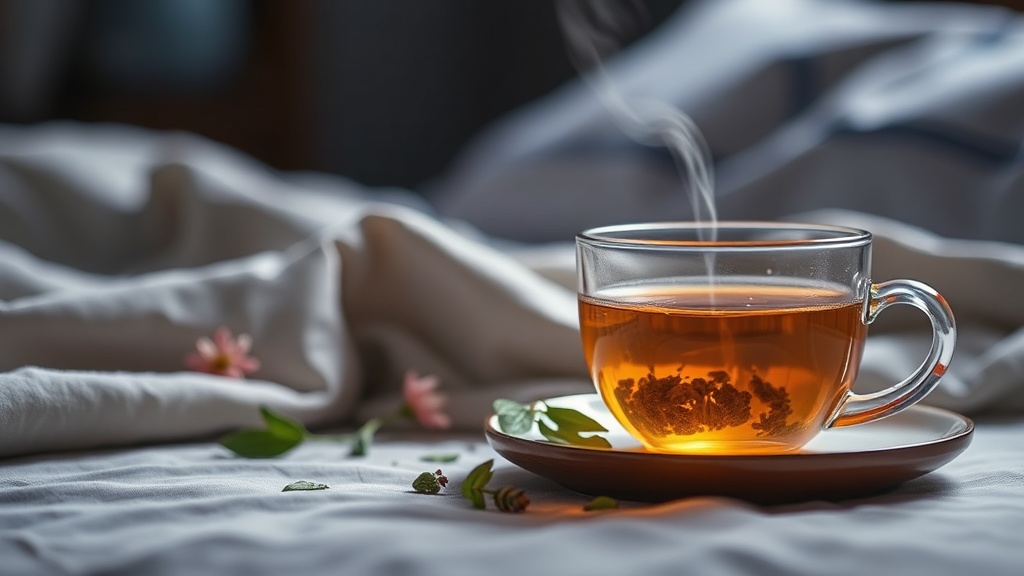
How to Make a Soothing Herbal Sleep Tea Blend for Better Rest

What Is a Herbal Sleep Tea Blend?
A herbal sleep tea blend combines dried botanicals known for their calming properties into a soothing bedtime beverage. These natural infusions work with the body's own relaxation mechanisms—no synthetic additives, no groggy mornings, just gentle support for unwinding after a long day. Whether sleep comes slowly or stress keeps the mind racing past midnight, the right combination of herbs can make settling into rest feel less like a struggle and more like a ritual worth savoring.
This guide walks through selecting base herbs, adding complementary flavors, and brewing techniques that extract maximum benefit from each ingredient. By the end, you'll have a custom blend tailored to your preferences—something far more personal than anything found on supermarket shelves.
What Are the Best Herbs for Sleep Tea?
The most effective herbs for sleep tea include chamomile, valerian root, passionflower, lemon balm, and lavender—each offering distinct calming properties that address different aspects of restlessness. Here's the thing: not every herb works the same way for every person. Some promote physical relaxation, others quiet mental chatter, and a few help regulate sleep cycles over time.
Chamomile: The Gentle Classic
German chamomile (Matricaria chamomilla) remains the most recognized sleep herb for good reason. The dried flower heads contain apigenin, a flavonoid that binds to benzodiazepine receptors in the brain—producing mild sedative effects without the side effects of pharmaceutical alternatives. A cup of chamomile tea about 45 minutes before bed creates a noticeable shift toward drowsiness.
Quality matters immensely with chamomile. The whole flower heads from brands like Traditional Medicinals or Mountain Rose Herbs deliver stronger effects than the dusty fragments found in generic grocery store boxes. The aroma should remind you of fresh apples and hay—anything less suggests stale or inferior stock.
Valerian Root: Nature's Heavy Hitter
For those nights when chamomile feels too subtle, valerian root (Valeriana officinalis) brings more substantial sedative power. Studies published in the Journal of Evidence-Based Complementary and Alternative Medicine demonstrate its effectiveness in reducing sleep latency—the time it takes to actually fall asleep.
The catch? Valerian tastes earthy. Some call it "dirty socks meets wet dog." That's why it works best in blends rather than alone. Pair it with sweeter herbs like licorice root or stevia leaf to mask the pungency without sacrificing potency.
Lemon Balm and Passionflower: The Anxiety Duo
Racing thoughts at bedtime respond particularly well to lemon balm (Melissa officinalis) and passionflower (Passiflora incarnata). Lemon balm—technically a member of the mint family—eases nervous tension while adding a bright, citrusy note to any blend. Passionflower, native to the southeastern United States, specifically targets circular thinking—that frustrating mental loop that keeps you staring at the ceiling.
Both herbs work quickly. Effects typically begin within 30 minutes and don't linger into morning grogginess. Worth noting: passionflower has a mild grassy flavor that complements chamomile beautifully.
| Herb | Primary Benefit | Flavor Profile | Best For |
|---|---|---|---|
| Chamomile | Gentle sedation | Apple, honey | General relaxation |
| Valerian Root | Deep sleep support | Earthy, pungent | Difficulty falling asleep |
| Lemon Balm | Anxiety reduction | Citrus, mint | Racing thoughts |
| Passionflower | Mental quieting | Grassy, mild | Circular thinking |
| Lavender | Nervous system calming | Floral, slightly bitter | Physical tension |
How Do You Make a Custom Sleep Tea Blend at Home?
Creating a custom sleep tea blend requires three components: a base herb (60-70% of the mixture), supporting herbs (20-30%), and flavor accents (5-10%). This ratio ensures therapeutic potency while keeping the taste pleasant enough to become a nightly habit. The process takes about 15 minutes of active time, plus drying if you're harvesting fresh botanicals.
Gathering Your Materials
Start with dried herbs from reputable suppliers. Montreal's Herboristerie La Moisson on Rue Ontario carries excellent organic options, as does online retailer Mountain Rose Herbs for those outside Quebec. You'll need:
- A glass jar with tight-fitting lid for storage
- Measuring spoons or a small kitchen scale
- Mesh tea strainer or reusable cotton bags
- Filtered water (chlorine affects herb quality)
The Base-Support-Accent Formula
A well-balanced beginner blend starts with chamomile as the foundation. Try this proven combination: 3 parts dried chamomile flowers, 1 part lemon balm, 1/2 part lavender buds, and 1/4 part valerian root. The valerian quantity stays small because of its intensity—you'll get the sleep benefits without overwhelming the palate.
For those sensitive to valerian's taste, swap in passionflower at equal amounts. The resulting blend tastes lighter, more meadow-like, while still delivering meaningful relaxation support. Store the finished mixture in that glass jar away from direct sunlight. Most dried herbs maintain potency for 6-12 months when properly stored.
Brewing for Maximum Benefit
Herbal teas require different handling than black or green teas. The water should be just off the boil—around 200°F (93°C)—and the steep time runs longer: 10-15 minutes for proper extraction of the active compounds. Cover the cup while steeping. Volatile oils escape with steam, and those oils carry much of the calming benefit.
Use 1 tablespoon of dried blend per 8 ounces of water. That said, personal preference varies—some find this strength perfect, others prefer a more dilute cup. Start standard and adjust upward if needed. The herbs are gentle; overdosing rarely causes problems beyond very vivid dreams or slight morning grogginess.
Can You Add Other Ingredients for Taste or Extra Benefits?
Absolutely. Raw honey, dried rose petals, cinnamon chips, and orange peel all enhance sleep tea blends while contributing their own wellness properties. The key lies in understanding which additions complement rather than compete with the primary sleep herbs.
Natural Sweeteners
Raw, unpasteurized honey from local apiaries (try Miel des Ruches du Mont-Royal if you're in the Montreal area) adds trace enzymes and makes bitter herbs more palatable. Add honey only after the tea has cooled slightly—boiling water destroys those beneficial compounds. Stevia leaf, dried and crumbled into the blend, offers sweetness without calories or blood sugar impact.
Warming Spices
Cinnamon—specifically Ceylon cinnamon, not the cheaper cassia variety—supports healthy blood sugar levels that can otherwise disrupt sleep patterns. A small cinnamon stick broken into the blend adds warmth and depth. Cardamom pods, lightly crushed, bring an aromatic complexity that pairs beautifully with chamomile's apple notes.
Floral Enhancements
Dried rose petals (Rosa damascena) contain mild sedative properties alongside their obvious aesthetic appeal. They add a subtle sweetness and turn an ordinary cup into something that feels special—important for establishing the psychological association between this ritual and bedtime.
A pinch of dried orange peel provides vitamin C and a bright top note, though use sparingly. Too much citrus can be stimulating rather than calming. The goal is balance—every ingredient should invite relaxation, not fight it.
When Should You Drink Sleep Tea for Best Results?
Timing significantly impacts effectiveness. Drink sleep tea 45-60 minutes before your intended bedtime—this allows the active compounds to reach your bloodstream and begin their work. Create an association: this cup means the day is ending, screens are dimming, and rest approaches.
Avoid sleep tea during daytime hours unless you're specifically managing anxiety (and even then, use smaller amounts). The conditioning matters. You want your brain to recognize this particular beverage as a signal—time to wind down, time to release.
Creating the Ritual
The tea works better as part of a broader wind-down routine. Brew it in the same mug each night. Sip it in the same chair. Read physical pages—not screens—while it steeps. These environmental cues amplify the herbs' effects through consistent association. Over weeks, the ritual itself becomes relaxing, with or without the botanical support.
"The best sleep aid is one you'll actually use consistently. A bitter but potent herb blend left in the cupboard helps nobody. Prioritize taste and ritual alongside therapeutic value."
Store your finished blend in small batches—enough for two weeks at a time. Exposure to air degrades quality, and smaller quantities stay fresher. When the jar runs low, take a moment to assess: which herbs seemed most helpful? Adjust ratios accordingly. This is your personal formula, evolving with your needs.
Sleep doesn't come easily for everyone. Stress, schedule disruptions, aging—all challenge the body's natural rhythms. A thoughtfully crafted herbal tea won't solve every sleep problem, but it offers something valuable: a gentle, natural tool for encouraging the rest you need. Tonight, boil the water. Measure the herbs. Breathe in the steam. See where the cup leads.
Steps
- 1
Gather Your Organic Ingredients and Supplies
- 2
Measure and Mix the Herbal Blend in the Right Proportions
- 3
Steep Properly and Store for Nightly Use