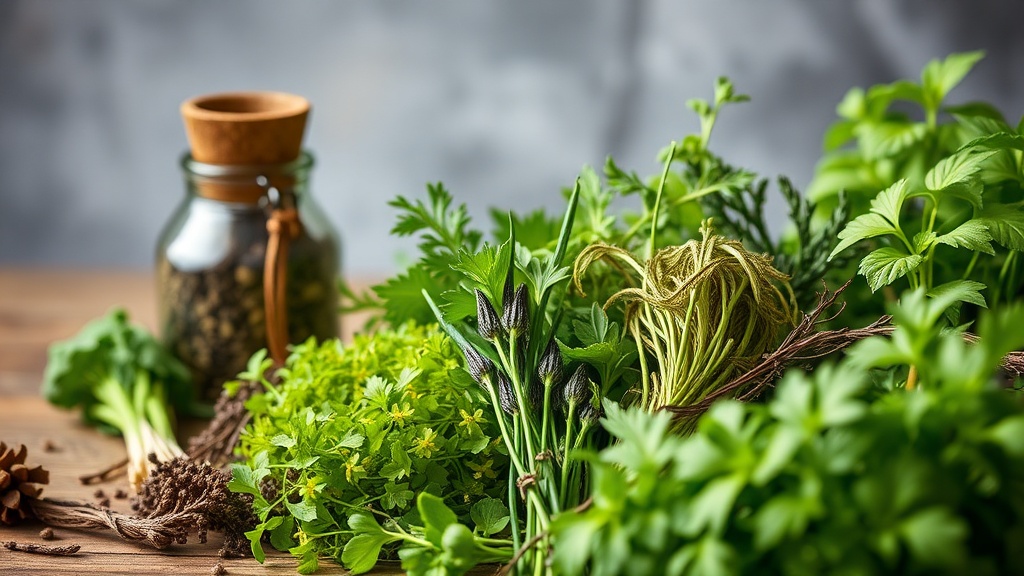
How to Dry and Store Fresh Herbs for Year-Round Wellness

What You Need to Know About Harvesting Herbs
You bring home a bundle of fresh rosemary from the weekend market—or perhaps you snipped some basil from your own windowsill garden. The aroma fills your kitchen, but you know you can't use it all before it wilts. Instead of watching those fragrant leaves turn brown in the crisper drawer, you can capture that freshness and extend it across the seasons. Drying herbs isn't complicated, but doing it well requires attention to timing, technique, and storage.
Fresh herbs contain volatile oils—that's where their flavor and beneficial properties live. Heat, light, and improper handling strip these oils away. When you dry herbs correctly, you preserve those compounds in a concentrated form. A teaspoon of dried oregano packs more punch than a tablespoon of fresh because the water content has evaporated, leaving behind the potent essence of the plant. The key is preventing that essence from degrading during the preservation process.
When Is the Best Time to Harvest Herbs for Drying?
Timing matters more than most people realize. The best moment to cut herbs is in the late morning, after dew has evaporated but before the afternoon sun beats down. At this point, the plants have produced their daily oils but haven't begun to lose moisture to heat stress. For leafy herbs like basil, mint, and cilantro, harvest before the plant flowers—once flowering begins, the leaves turn bitter and the energy shifts to seed production.
For woody herbs such as rosemary, thyme, and oregano, you can harvest throughout the growing season. These plants actually benefit from regular trimming, which encourages bushier growth. Wait until just before the plant blooms for maximum oil concentration. If you're foraging wild herbs, always verify identification with a reliable field guide and harvest sustainably—never take more than one-third of a stand, and avoid plants growing near roadsides where they may have absorbed exhaust or chemicals.
Clean your herbs before drying, but do so gently. Rinse briefly under cool water if they're dusty, then pat completely dry with a clean towel. Any moisture left on the leaves can lead to mold during the drying process. Some herbalists skip rinsing entirely if the herbs look clean—this preserves more of the surface oils. It's your call, but if you do rinse, ensure thorough drying before proceeding.
What Are the Best Methods for Drying Herbs at Home?
You have several options, and each suits different herbs and living situations. Air drying works beautifully for herbs with low moisture content—think thyme, rosemary, sage, and oregano. Gather stems into small bundles (no more than a half-inch diameter at the base), secure them with string or rubber bands, and hang them upside down in a warm, dry spot away from direct sunlight. Attics, pantries, and closets work well. The bundles need good air circulation, so don't crowd them. They'll be crisp and ready in one to three weeks depending on humidity.
High-moisture herbs like basil, mint, and lemon balm need faster drying to prevent mold. You can use a food dehydrator set between 95°F and 115°F (35°C to 46°C). Higher temperatures preserve color but may degrade some volatile oils—it's a trade-off. Arrange leaves in a single layer on dehydrator trays, and check them every few hours. They're done when they crumble between your fingers, usually within four to twelve hours depending on the herb and thickness of leaves.
Your oven can work in a pinch, though it's less than ideal. Set it to the lowest possible temperature—ideally under 180°F (82°C)—and prop the door open slightly with a wooden spoon to allow moisture to escape. Spread herbs on a baking sheet lined with parchment paper. Check frequently, as herbs can scorch quickly. The microwave method exists but tends to produce uneven results and can actually cook the herbs rather than dry them, so most herbalists avoid it.
Freezing offers another preservation route, particularly for herbs you plan to use in cooked dishes. Chop fresh herbs, pack them into ice cube trays, and cover with olive oil or water. Freeze solid, then transfer to freezer bags. These herb cubes drop easily into soups, stews, and sautés. The texture changes—frozen herbs won't work for garnish—but the flavor remains bright and true.
How Should You Store Dried Herbs to Maintain Potency?
Once your herbs are bone-dry and crumbly, storage becomes critical. Light, heat, and air are the enemies of dried herbs. Store them in airtight glass containers—mason jars work perfectly—away from sunlight and heat sources. That means not above your stove or on a windowsill, no matter how pretty they look there. A dark cabinet or pantry shelf keeps them at their best.
Whole leaves retain their oils longer than crushed or powdered herbs. Store leaves whole and crush them just before use. You'll notice the difference immediately—whole dried basil crumbled into tomato sauce releases a perfume that pre-ground basil from the grocery store simply cannot match. Label your containers with the herb name and harvest date. Most dried herbs maintain their quality for one year, though some woody herbs like rosemary and thyme can last up to two years if stored well.
Check your stored herbs periodically. Good dried herbs should still smell like themselves—earthy, fragrant, alive. If they smell like dust or nothing at all, they've lost their volatile oils and won't contribute much to your cooking or wellness preparations. Compost them and start fresh. This annual rotation keeps your herbal pantry vibrant and effective.
For those interested in the traditional knowledge behind herbal preservation, the Herb Society of America offers extensive resources on cultivation and storage methods. The National Park Service also provides guidance on sustainable wildcrafting and native plant preservation that respects both tradition and ecology.
Putting Your Dried Herbs to Work
Now that you've preserved your harvest, how do you use these dried treasures? For culinary applications, remember that dried herbs are more concentrated than fresh—use about one-third the amount called for in recipes specifying fresh herbs. Add woody herbs like rosemary and thyme early in cooking to allow their flavors to mellow and integrate. Tender herbs like basil and parsley (dried or fresh) work best added toward the end, as prolonged cooking destroys their delicate oils.
Beyond the kitchen, your dried herbs can become teas, bath soaks, sachets, and infused oils. A simple digestive tea combines dried peppermint, fennel, and chamomile. A bath bag of dried lavender and rose petals transforms an ordinary soak into something restorative. These preparations connect you to seasonal rhythms even in the depths of winter, when fresh growth feels impossibly distant. The jar of summer's basil on your shelf isn't just an ingredient—it's a reminder that abundance returns, that preservation is a form of hope, and that taking time to capture these simple flavors is an act of care for your future self.