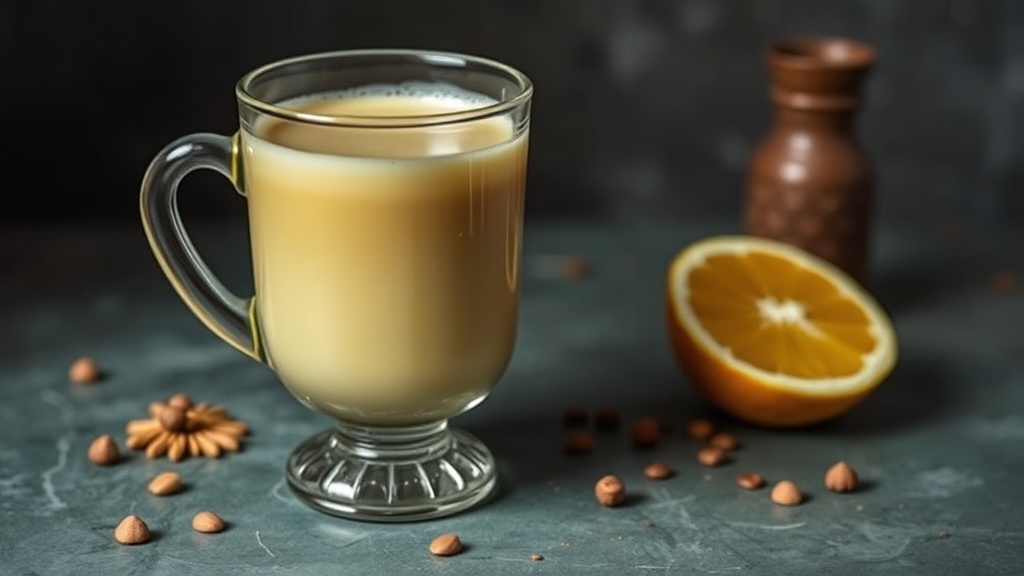
How to Craft a Healing Golden Milk Latte for Natural Wellness

This guide walks through the process of crafting a healing golden milk latte from scratch—covering ingredient selection, traditional preparation methods, and modern variations that fit busy schedules. Golden milk (also called turmeric milk) has moved from Ayurvedic medicine cabinets to mainstream kitchens for good reason. The blend of turmeric, warming spices, and creamy milk delivers anti-inflammatory compounds, supports restful sleep, and creates a comforting ritual that signals the body to unwind. Whether seeking relief from sore joints, better digestion, or simply a caffeine-free evening beverage, the techniques here will produce a drink that's both functional and genuinely enjoyable.
What Is Golden Milk and Why Has It Become So Popular?
Golden milk is a traditional Indian beverage made by simmering turmeric with milk and spices—primarily black pepper, ginger, and cinnamon. The drink has roots in Ayurvedic practice spanning thousands of years, where turmeric was prized for its purifying and balancing properties. Today, it's found everywhere from high-end coffee shops to the Instagram feeds of wellness enthusiasts.
The surge in popularity isn't just trend-driven. Turmeric contains curcumin, a polyphenol with documented anti-inflammatory and antioxidant effects. The catch? Curcumin isn't easily absorbed on its own. That's where the black pepper comes in—piperine, its active compound, can increase curcumin absorption by up to 2,000 percent according to research from PubMed Central.
Unlike trendy supplements that come and go, golden milk offers something simple: a whole-food approach to wellness that tastes good. The ritual of preparing it—heating milk, measuring spices, stirring slowly—becomes part of the benefit. It's a forced pause in an otherwise hectic day.
What Ingredients Do You Need for an Authentic Golden Milk Latte?
The foundation is simple: turmeric, milk, black pepper, and a fat source. Everything else builds from there. Quality matters here—stale spices from the back of the pantry won't deliver the same flavor or benefits as fresh ones.
Turmeric: Fresh Root vs. Powder
Fresh turmeric root (found at Whole Foods, Asian markets, or specialty grocers like Kalustyan's in New York) offers brighter, more complex flavor than powder. It looks like small ginger roots with bright orange flesh inside. Peel and grate about 1 tablespoon fresh root per serving, or use 1/2 teaspoon of high-quality powder.
When buying powder, look for brands like Mountain Rose Herbs or Simply Organic—these sources test for heavy metals and adulteration, which is unfortunately common in lower-grade turmeric imports.
The Milk Base: Dairy and Plant-Based Options
Traditional recipes use whole cow's milk, which contains natural fat that helps curcumin absorption. That said, excellent plant-based alternatives exist:
| Milk Type | Fat Content | Flavor Profile | Best For |
|---|---|---|---|
| Whole Cow's Milk | 3.25% | Creamy, rich | Traditional preparation, maximum curcumin absorption |
| Oat Milk (Oatly Barista Edition) | 3% | Mild, slightly sweet | Frothing, latte art, neutral base |
| Coconut Milk (canned full-fat) | High | Tropical, rich | Extra creamy texture, MCT benefits |
| Macadamia Milk (Milkadamia) | Medium | Buttery, subtle | Premium lattes, unique flavor |
| Almond Milk (unsweetened) | Low | Nutty, thin | Calorie-conscious (add extra fat) |
If using low-fat milk (plant or dairy), add 1/2 teaspoon of coconut oil, ghee, or MCT oil. The fat isn't optional—curcumin is fat-soluble, meaning the body can't absorb it properly without.
The Essential Spices
Black pepper isn't negotiable—it's what makes the turmeric bioavailable. Beyond that, the spice blend is flexible:
- Fresh ginger: 1/2 teaspoon grated adds digestive warmth and zing
- Ceylon cinnamon: 1/4 teaspoon for blood sugar support (true Ceylon is milder than cassia)
- Cardamom: 2-3 pods lightly crushed—adds complexity and aids digestion
- Nutmeg: Tiny pinch for depth (especially nice in evening versions)
How Do You Make Golden Milk Latte at Home? (Two Methods)
There are two reliable approaches: the traditional stovetop method for maximum flavor extraction, and the blender method for busy mornings when speed matters.
Method 1: Traditional Stovetop (Best Flavor)
This method takes 10 minutes but produces noticeably richer results. The slow heating and simmering allow spices to fully bloom and infuse into the milk.
- Combine 1 cup milk of choice with 1/2 teaspoon turmeric powder (or 1 tablespoon fresh grated turmeric), 1/4 teaspoon black pepper, 1/2 teaspoon fresh grated ginger, and 1/4 teaspoon cinnamon in a small saucepan
- Add 1/2 teaspoon coconut oil, ghee, or butter
- Heat over medium-low, whisking occasionally, until small bubbles form around the edges—don't boil vigorously as this degrades some compounds and creates a skin on dairy milk
- Reduce heat to low and simmer for 5-7 minutes, stirring frequently. The liquid should turn a deep golden-orange color
- Remove from heat, strain through a fine mesh sieve if using fresh turmeric or whole spices
- Sweeten to taste with 1-2 teaspoons raw honey, maple syrup, or monk fruit extract
Here's the thing: patience matters. Rushing the simmering step produces a drink that tastes like spicy milk rather than the smooth, integrated flavor that makes golden milk craveable.
Method 2: High-Speed Blender (Maximum Convenience)
For those mornings when 10 minutes feels impossible, this method delivers 90% of the benefit in 2 minutes:
- Add 1 cup heated (not boiling) milk to a high-speed blender
- Add 1/2 teaspoon turmeric powder, 1/8 teaspoon black pepper, pinch of cinnamon, and 1/4 teaspoon coconut oil
- Blend on high for 30-45 seconds. The friction actually heats the mixture further and creates a frothy texture
- Pour through a fine strainer if any powder clumps remain
- Sweeten as desired
Tools matter here. A Vitamix or Blendtec will produce smoother results than basic blenders. Worth noting: if using fresh turmeric, the stovetop method is strongly preferred—the blender won't properly extract flavor from raw root.
What Are the Best Ways to Customize Your Golden Milk?
Once the base recipe is solid, variations can target specific needs or preferences.
For Sleep Support
Add 1/2 teaspoon ashwagandha powder and increase nutmeg slightly. Ashwagandha is an adaptogen shown to reduce cortisol levels. Combined with the ritual of a warm drink before bed, this creates a powerful wind-down signal. Brands like Banyan Botanicals offer certified organic ashwagandha with third-party testing.
For Extra Anti-Inflammatory Power
Add 1/4 teaspoon of ginger and a tiny pinch of cayenne. The capsaicin in cayenne has its own anti-inflammatory properties and may boost metabolism slightly. This version is especially good post-workout—skip the extra spices if drinking before bed.
For a Café-Style Experience
Use a milk frother (the Breville Milk Cafe or even a simple handheld frother) after preparation. Top with a dusting of cinnamon and serve in a clear glass mug to show off the color. This isn't just aesthetic—the aeration actually improves mouthfeel.
Some coffee shops now serve "golden milk lattes" for $5-6. Making this at home costs roughly $0.75 per serving. The math works out quickly.
Make-Ahead Options
Golden milk paste solves the daily prep issue. Mix 1/2 cup turmeric powder with 1 cup water in a small saucepan. Add 1 1/2 teaspoons black pepper and 1/4 cup coconut oil. Simmer into a thick paste, cool, and store in a glass jar in the refrigerator for up to 2 weeks. Then simply add 1 teaspoon of paste to heated milk—no measuring spices daily.
The catch? Fresh paste tastes noticeably better than week-old paste. For maximum flavor, make smaller batches more frequently.
When Should You Drink Golden Milk for Best Results?
Timing depends on the goal. For sleep support, 30-60 minutes before bed allows the warmth and ritual to signal the body that it's time to wind down. For digestive benefits, drinking 20 minutes after a heavy meal can help. For general wellness, morning or afternoon works—though some people find turmeric slightly energizing.
There's no strict rule here. Experiment with timing and notice what works for your body. Some people drink it twice daily without issue; others prefer it as an occasional treat.
Are There Any Side Effects or Considerations?
Turmeric is generally recognized as safe in food amounts, but concentrated daily consumption warrants some awareness.
High doses of turmeric can interact with blood thinners—those on warfarin or similar medications should consult a healthcare provider before making this a daily habit. Turmeric may also stimulate bile production, which can be problematic for people with gallbladder disease or bile duct obstruction.
Staining is real. Turmeric will permanently discolor white countertops, wooden spoons, and clothing. Use stainless steel or glass utensils, wipe spills immediately, and consider it a feature—not a bug—that your wooden cutting board will develop character.
Quality varies enormously. A 2019 study found that several commercial turmeric powders were adulterated with metanil yellow—a toxic industrial dye. Buy from reputable sources, look for organic certification, and be suspicious of unusually cheap bulk turmeric.
That said, for most people, a daily cup of golden milk is a safe, enjoyable addition to a wellness routine. Start with the basic recipe, adjust spices to taste, and treat the preparation as a small act of self-care. The benefits—better sleep, reduced inflammation, digestive comfort—compound over time. The drink itself is merely the vehicle; the real healing happens in the consistency of the ritual.
Steps
- 1
Gather Your Organic Ingredients and Spices
- 2
Simmer the Turmeric Base with Plant Milk
- 3
Strain, Sweeten Naturally, and Serve Warm