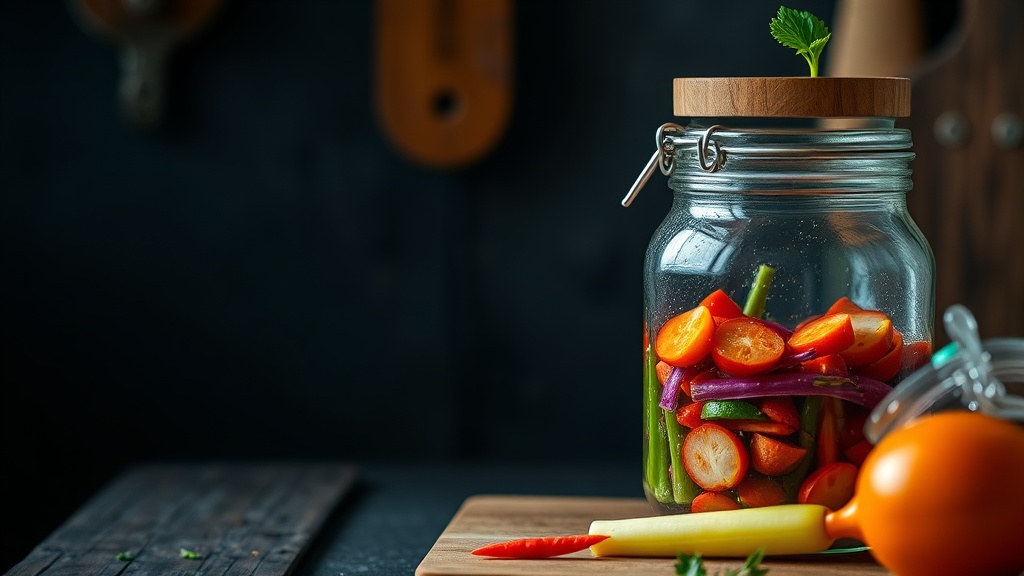
Fermenting Vegetables at Home: A Beginner's Path to Gut-Friendly Foods

Why Your Gut Loves Fermented Foods (And You Should Too)
Your intestines house roughly 100 trillion bacteria—that's about ten times more microbial cells than human cells in your entire body. This invisible ecosystem, often called your gut microbiome, influences everything from digestion and immunity to mood regulation and sleep quality. Yet modern diets—stripped of living foods through pasteurization, preservatives, and processing—have left many of us with depleted microbial diversity. Fermented vegetables offer an accessible, affordable way to reintroduce beneficial bacteria into your daily routine. Unlike store-bought probiotic supplements that can cost $30–$60 monthly, a batch of homemade sauerkraut or kimchi costs little more than the vegetables themselves. The process is surprisingly forgiving—you don't need specialized equipment, temperature-controlled chambers, or weeks of monitoring. Just salt, vegetables, and a bit of patience.
What Exactly Happens During Fermentation?
At its core, lacto-fermentation is a dance between salt and naturally occurring bacteria. When you submerge vegetables in a salt brine, you create an environment where harmful bacteria struggle to survive—but beneficial lactobacillus strains thrive. These friendly microbes convert sugars into lactic acid, which acts as a natural preservative and gives fermented foods their characteristic tangy bite. The pH drops, the vegetables soften, and complex flavors develop over days or weeks. This process predates refrigeration by millennia. Every culture developed its own fermented staples: Koreans perfected kimchi, Germans championed sauerkraut, and Japanese households maintained living pickles called tsukemono. What's remarkable is how safe this method is for home practitioners. The acidity created by lactic acid bacteria (reaching pH levels around 3.5–4.0) creates a hostile environment for pathogens like botulism. According to research published by the National Institutes of Health, properly fermented vegetables rarely cause foodborne illness because the competitive exclusion by beneficial microbes keeps dangerous bacteria at bay.
Which Vegetables Work Best for Beginners?
Not all vegetables ferment equally—and some practically beg to be your first project. Cabbage remains the gold standard for beginners because its moisture content creates its own brine when salted, and its robust texture holds up beautifully through fermentation. Carrots offer another forgiving entry point; their natural sweetness balances the tang of fermentation, and they stay pleasantly crisp. Onions transform remarkably—the sharp bite mellows into something almost sweet and deeply savory. Cucumbers work well too, though they require attention to timing (over-ferment them and you'll get mushy pickles). For the adventurous, try cauliflower florets, green beans, or sliced radishes. Each brings unique textures and flavors to your fermented collection. Avoid vegetables with high chlorophyll content like spinach or lettuce—they turn slimy and unpleasant. Also skip anything pre-cooked to mush; fermentation softens vegetables further, so starting with crisp produce yields better results. When selecting vegetables, fresher is genuinely better. Farmers market produce—harvested recently and often grown in living soil—carries more diverse surface microbes than supermarket vegetables that may have been washed, waxed, and stored for weeks. That said, don't let perfect be the enemy of good. Organic cabbage from your grocery store will still ferment beautifully.
How Do You Set Up Your First Fermentation?
You'll need remarkably little equipment: a clean glass jar (wide-mouth Mason jars work perfectly), a kitchen scale for measuring salt accurately, a sharp knife or mandoline for slicing, and something to keep vegetables submerged below the brine. That last piece matters enormously—exposed vegetables mold quickly. Specialized fermentation weights exist, but a clean stone boiled for ten minutes, a smaller jar nested inside your larger one, or even a cabbage leaf folded and pressed over the surface all work beautifully. Here's the basic ratio to memorize: 2% salt by weight. For every kilogram of vegetables, use 20 grams of salt. This concentration inhibits harmful bacteria while giving lactobacillus room to work. Sea salt or kosher salt work best—avoid iodized table salt, which can inhibit fermentation and create off-flavors. Begin by slicing your vegetables thinly (about 1/8 inch for cabbage, thicker for carrots). Toss them with salt in a large bowl, then massage vigorously for 5–10 minutes. You're not just seasoning—you're breaking cell walls to release moisture. Soon you'll notice liquid pooling at the bottom of your bowl. Pack everything tightly into your jar, pressing down to eliminate air pockets. The released brine should fully cover the vegetables. If it doesn't, mix a supplementary brine (1 teaspoon salt dissolved in 1 cup water) and add just enough to cover. Seal loosely—gas needs to escape during active fermentation. Store at room temperature (65–75°F ideally) out of direct sunlight. Within 24–48 hours, you'll notice bubbles forming. This is carbon dioxide—a sign that fermentation is active and thriving. Burp your jar daily by briefly opening it to release pressure, then reseal.
When Is Your Fermented Vegetables Ready to Eat?
Taste, not time, determines readiness. After three days, sample your creation. It should taste tangy, pleasantly salty, and still retain some crunch. Prefer stronger flavors? Let it continue fermenting. Most vegetables reach peak flavor between 5–14 days at room temperature, depending on temperature and personal preference. Once satisfied with the taste, transfer your jar to the refrigerator. The cold dramatically slows fermentation—your vegetables will keep for months, gradually developing deeper, more complex flavors. Signs of successful fermentation include: pleasant sour aroma (think pickles, not rot), active bubbling during the first week, vegetables that remain submerged in cloudy brine, and no visible mold on the surface. Speaking of mold—if you see fuzzy growth in white, green, blue, or black, discard the batch. White sediment at the bottom is normal (it's yeast and dead bacteria). Kahm yeast—a thin, white, wrinkled film on the surface—is technically harmless but can affect flavor. Skim it off if you spot it early; discard if it becomes thick or smells off. Trust your senses. Fermented vegetables should smell appetizingly sour and tangy. If something smells putrid, slimy, or wrong, compost it and start fresh. Failed batches teach you something—usually about salt concentration, temperature, or keeping vegetables submerged.
How Can You Use Fermented Vegetables Daily?
Integration into meals proves easier than you might expect. Start small—fermented foods are potent, and introducing too much too quickly can cause temporary bloating as your gut adjusts. A tablespoon of sauerkraut alongside breakfast eggs, kimchi mixed into grain bowls, or fermented carrots as cocktail hour snacks all work beautifully. The key is consistency rather than quantity. Regular small servings support your microbiome better than occasional large portions. Fermented vegetables shine as digestive aids too. Traditional cultures often serve pickles alongside rich meals—not by accident. The acidity and enzymes assist protein digestion and can reduce feelings of heaviness after eating. Try serving fermented vegetables with fatty fish, roasted meats, or rich bean dishes. For creative applications, blend fermented vegetables into salad dressings, fold them into omelets, or use the brine itself—a probiotic-rich, intensely flavored liquid perfect for marinades or splashed over avocado toast. The Johns Hopkins Medicine Center notes that the gut-brain connection means supporting digestive health often improves mental clarity and emotional resilience. Beyond the digestive benefits, fermented vegetables deliver enhanced nutrition. The fermentation process breaks down anti-nutrients like phytic acid, making minerals more bioavailable. Cabbage fermented into sauerkraut contains significantly more vitamin C than raw cabbage—crucial during winter months when fresh sources dwindle. Some research suggests fermented foods may even reduce inflammation markers and support immune function. A study from Stanford School of Medicine, published in Cell journal, found that a diet rich in fermented foods increased microbiome diversity and decreased inflammatory proteins—effects visible within just ten weeks of regular consumption. That's powerful medicine from your kitchen counter.